The Best Spring Vegetables for the Grill

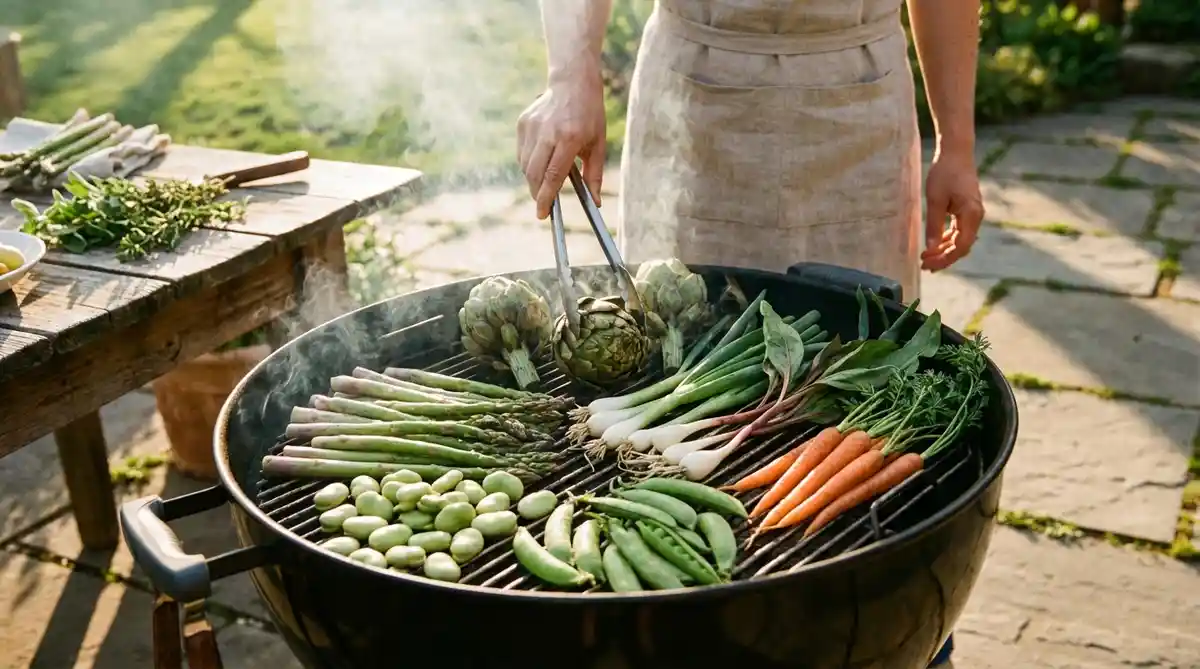
Spring vegetables are the easiest thing to grill and the most frequently overcooked.
The problem is that most people treat them like protein — putting them on and walking away. Vegetables on a grill need attention. They go from perfectly charred to burned in about 90 seconds. The window is narrow, but the reward is real: a grilled asparagus spear with char marks and a slight crunch is a different food than a steamed or roasted one.
Here’s the quick guide to the best spring vegetables for the grill, with timing and technique for each.
Setup: High Heat, Clean Grates, Oil the Vegetable
Vegetables grill best over medium-high to high direct heat. Unlike protein, you’re not worried about cooking the interior through — most spring vegetables cook simultaneously inside and out. The goal is char on the outside without going limp.
Oil the vegetable, not the grate. Toss or brush the vegetables with olive oil before they go on. This prevents sticking better than oiling the grate and produces better browning. Season with kosher salt and black pepper before grilling, not after.
The Vegetables, With Timing
Asparagus
The spring grill vegetable. Available in abundance from March through June, asparagus takes direct high heat beautifully and cooks in under 10 minutes.
Prep: Snap off the woody ends — hold the stalk at both ends and bend; it breaks naturally at the right point. Toss with olive oil and salt.
On the grill: Lay perpendicular to the grate bars so they don’t fall through. Medium-high direct heat. 3 to 5 minutes total, turning once or twice. Done when the tips are slightly crisped and the stalk yields to slight pressure but isn’t limp.
Thickness matters: Pencil-thin asparagus cooks in 3 minutes. Thick stalks take 6 to 7 minutes. Know what you’re working with before you start timing.
Serve: Squeeze of lemon. Nothing else required.
Spring Onions and Scallions
Often overlooked as a grill vegetable. A whole spring onion or bunch of scallions placed directly on a hot grate and charred until the outer layer is blackened produces a sweet, smoky interior that’s one of the most underrated grilled vegetables available.
Prep: Trim roots. Leave whole. Toss with olive oil, salt.
On the grill: Direct high heat. 4 to 6 minutes, turning once. The outer layer should be charred — you peel it away at the table to reveal the sweet, cooked interior. In the Catalan tradition (calçots), the charred outer layer is the whole point.
Sugar Snap Peas
A spring-specific vegetable that most people have never thought to grill. The pods blister and char while the peas inside steam slightly. Serve as a side or snack straight off the grill.
Prep: String if necessary. Toss with oil and salt. Thread onto flat metal skewers or use a grill basket so they don’t fall through the grates.
On the grill: High heat. 3 to 4 minutes. Toss once. Serve immediately — they don’t hold.
Zucchini and Summer Squash
Technically early summer, but present at markets from April onward. Zucchini takes char excellently and is one of the most forgiving grill vegetables for timing.
Prep: Slice lengthwise into planks about 1/3 inch thick. This is the key decision: rounds fall through the grate, are harder to flip, and cook unevenly. Planks stay flat, char on both sides, and present well.
On the grill: Medium-high direct heat. 3 to 4 minutes per side. Done when grill marks are defined and the flesh has softened but holds its shape.
Season aggressively: Zucchini is mild. It needs salt, pepper, and a generous drizzle of olive oil to be interesting. A finish of shaved parmesan and fresh basil after grilling elevates it significantly.
Broccolini
Not broccoli — broccolini, the slender long-stemmed variety. Regular broccoli is too dense and the florets burn before the stalk cooks. Broccolini is proportioned correctly for the grill.
Prep: Trim tough stem ends. Toss with olive oil, salt, a pinch of red pepper flakes.
On the grill: Medium-high heat. 5 to 7 minutes, turning occasionally. The stems should be tender and the florets should be charred at the tips. Watch the tips — they go from charred to burned faster than anything else on this list.
Romaine Lettuce
Yes. Grilled romaine is a real thing and it works. Halved heads of romaine over high heat for 2 to 3 minutes produce a slightly wilted, smoky leaf that holds up to a Caesar dressing better than raw romaine does.
Prep: Halve lengthwise through the core. Brush the cut sides with olive oil. Season lightly.
On the grill: Direct high heat, cut-side down only. 2 to 3 minutes. Don’t flip — the charred cut side is the point.
Serve: While still warm. Caesar dressing, parmesan, black pepper. The heat from the grill wilts the outer leaves and warms the dressing on contact. Different from a standard Caesar in a way that’s worth trying once to decide if it belongs in your rotation.
The Practical Sequence
For a cookout where vegetables are the side:
Grill the protein first. Let it rest. While it rests, grill the vegetables over the same heat. The vegetables are done in 5 to 10 minutes — right when the protein is ready to carve.
Everything hits the table at the same temperature. The vegetables spend 30 seconds waiting instead of sitting cold while the protein finishes.
This sequence also means you’re using the grill’s residual heat efficiently. After a cook at 450°F, the grates are still at 400°F when the protein comes off. Perfect for vegetables.
The One Tool That Helps
A flat stainless grill basket handles sugar snap peas, asparagus, and anything else that’s too thin or irregular to grill directly on the grates. No skewering, no loss through the grate, easy toss. A basic rectangular grill basket runs $20 to $30 and earns its place in the outdoor cooking kit every spring.
Grumpy Dad Co. — The right tools for what actually grows in April.
Browse the full outdoor cooking and grilling collection at grumpydadco.com
🔥 The right tool for all that prep
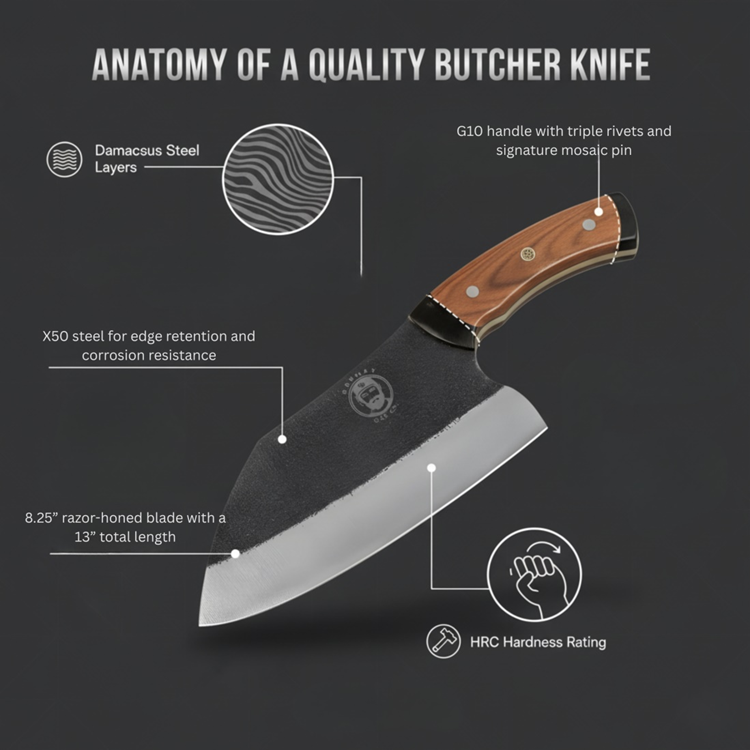
All those spring vegetables go faster with the right blade. A Nakiri is built for veg — straight down, clean cuts, no crushing. Pair it with the gear in Grills & Outdoor Cooking and you are set for the season.