Charcoal vs Gas vs Pellet: The Honest Dad Breakdown (Which One Actually Wins Your Backyard)

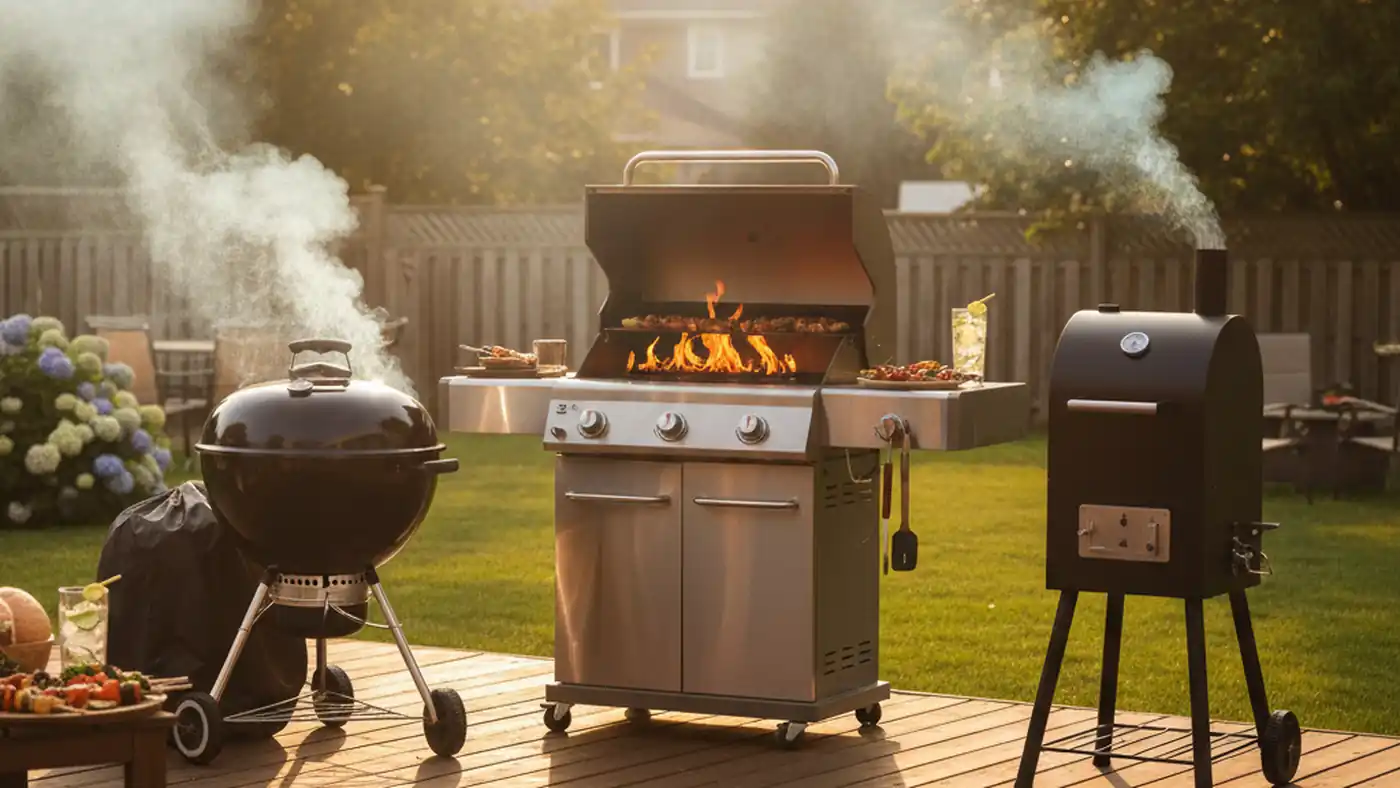
Every dad reaches a point where someone — usually a brother-in-law with too much confidence — tells you the grill in your driveway is “wrong.” Wrong fuel. Wrong brand. Wrong everything. Then he sips his beer and says “you should really get a [thing he just bought last summer].” Cool. Thanks, Greg.
Quick answer: No grill type wins outright — each trades one thing for another. Get gas for fast weeknight cooking, charcoal for flavor and ritual if you don’t mind a 20-minute setup, and a pellet grill for hands-off low-and-slow smoking like brisket and ribs. The best grill is the one that matches how you actually cook, not Greg’s fantasy.
- Gas is fastest (5–10 min to heat) and easiest, but the cheapest to run over five years (~$1,400).
- Charcoal has the steepest learning curve and the lowest hardware cost, with grills lasting 10–20 years if stored covered.
- Pellet gives the cleanest wood smoke and set-and-forget temperature control, but costs the most over five years (~$3,800) and struggles to sear above 500°F.
- The cook matters more than the fuel — a bad cook ruins a ribeye on any grill.
- Two cheap grills (gas + a $200 charcoal kettle) often beat one expensive one if you actually use both.
Here’s the truth nobody admits at a barbecue: none of these grills is “best.” Charcoal, gas, and pellet each win something. Each loses something. The right grill is the one that matches how you actually cook, not how you imagine you’ll cook on the three perfect summer afternoons you’ll have between June and September.
This is the honest breakdown. Cost. Flavor. Convenience. Real-world maintenance. The marketing lies that get repeated at every backyard. And which one fits the way you actually feed your family — not the way Greg pretends he does.
The 30-second answer
Cook fast and weeknight-easy: gas. Care about flavor and don’t mind a 20-minute setup: charcoal. Cook low and slow, want a brisket without selling a kidney to a $4,000 offset smoker: pellet.
That’s the entire argument. Everything below is the why.
How each one actually works
Charcoal
You light a chimney of briquettes or lump charcoal. You wait 15–20 minutes for them to ash over. You dump them in the grill, put the grate on, and cook over real radiant heat from burning carbon. The fire breathes through the vents. You control temperature by adjusting the dampers and how much fuel is on which side.
It’s a primal cooking surface. You’re managing actual fire.
Gas
You turn a knob. Propane (or natural gas) hits a burner. A spark or auto-igniter lights it. You’re cooking 60 seconds after deciding to cook. You control temperature by turning the knob — same as your stovetop, just outdoors.
It’s a propane stove with a lid. That’s not an insult. It’s the entire selling point.
Pellet
You plug it into an outlet. Hardwood pellets (compressed sawdust, no glue) feed from a hopper down an auger into a fire pot. A small electric igniter lights them. A fan controls airflow. A digital controller manages temperature like your home thermostat — you set 225°F, it holds 225°F. The result: real wood smoke, hands-off cooking, automatic temperature.
It’s a smart smoker that pretends to be a grill. If you want a concrete example of what this looks like in practice, the Traeger Pro 22 six-in-one wood pellet smoker is the benchmark most mid-range pellet buyers compare everything else against.
Here’s the whole argument on one plate, before anyone at the barbecue can interrupt:
| Grill type | Best at | Max sear heat | 5-year cost |
|---|---|---|---|
| Charcoal | Flavor & weekend ritual | 700°F+ | ~$1,900 |
| Gas | Fast weeknight cooking | 600°F+ | ~$1,400 |
| Pellet | Hands-off low & slow smoke | ~450–500°F | ~$3,800 |
The flavor question (the one everyone lies about)
Yes, charcoal tastes different. No, gas grills don’t ruin food. Yes, pellets give you wood smoke. No, your steaks aren’t going to be a religious experience just because you switched fuel types.
- Charcoal flavor is real, but most of it comes from drippings vaporizing on the coals — not the charcoal itself. A clean, fast charcoal grill produces less “smoke flavor” than people think. The smell is in the smoke, the smoke is mostly fat, and fat exists on a gas grill too.
- Gas grills get a bad rap unfairly. A hot gas grill with a heavy cast-iron grate sears beautifully. The “flavor difference” between a properly grilled steak on gas vs charcoal is subtler than the internet pretends.
- Pellets give you the cleanest wood smoke profile. If you actually want smoke flavor on a brisket, ribs, or pork shoulder, pellet wins by a mile. Apple, hickory, pecan — pick your wood. Just don’t expect a fast hot sear; pellets struggle above 500°F.
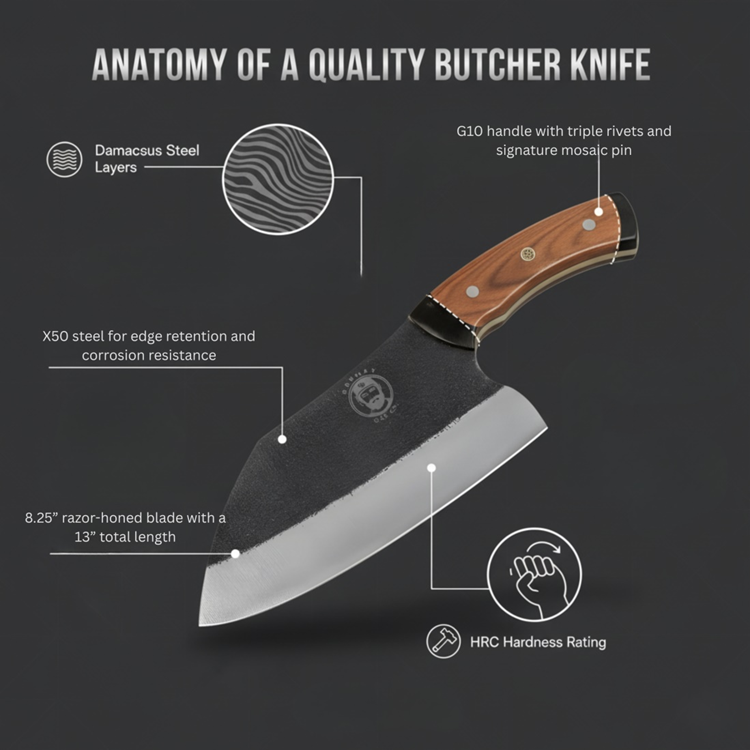
The blunt truth: the cook matters more than the fuel. A bad cook will ruin a ribeye on any grill. A good cook will make all three work. Before you blame the grill, check yourself against the grilling mistakes most dads never notice they’re making — the list is humbling. (For the cuts and timing, see our Butcher Knife 101 guide — knowing your cuts is half the fight.)
The convenience reality check
| Stage | Charcoal | Gas | Pellet |
|---|---|---|---|
| Time to cooking temp | 15–25 min | 5–10 min | 10–15 min |
| Setup effort | Chimney + dump + wait | Knob | Plug + set temp |
| Cleanup after cook | Ash management | Wipe grates | Empty fire pot occasionally |
| Mid-cook fuss | Damper babysitting | None | None |
| “On a Tuesday after work” rating | 3/10 | 10/10 | 7/10 |
| “On a Saturday with no plans” rating | 10/10 | 6/10 | 9/10 |
If you only get to grill on weekends, charcoal is honestly a joy. If you grill twice a week after the kids’ practice, gas keeps you sane. Pellet sits in the middle — the digital controller does most of the babysitting for you.
The 5-year cost breakdown
This is where most “buyer’s guides” lie by leaving things out. Here’s the honest five-year cost — purchase, fuel, replacement parts.
Charcoal (a 22″ kettle)
- Grill: $120–$250
- Chimney starter, ash bucket, basic tools: $40
- Charcoal over 5 years (50 cooks/year, $20 per 16-lb bag, ~3 cooks per bag): $1,650
- Replacement grates: $40
- Total: ~$1,900
Gas (mid-range 3-burner)
- Grill: $400–$900
- Propane (~6 tanks/year at $25 fill): $750
- Burner replacement (likely once at year 4): $80
- Cover: $40
- Total: ~$1,400
Pellet (mid-range 700 sq in)
- Smoker: $700–$1,300
- Pellets (~25 bags/year at $22, ~$550/year): $2,750
- Igniter or fan replacement (likely once at year 3): $40
- Cover: $50
- Total: ~$3,800
Yes, pellet costs the most over five years. You’re paying for hardware (electronics + auger) and fuel that runs hot in pellet count. That said: brisket on a $300 charcoal kettle is a 12-hour babysitting marathon. Brisket on a pellet is “set 225, go to the kid’s soccer game, come back to dinner.”
The honest framing: pellet costs more because it does more for you. Charcoal costs less because you do more.
The learning curve
- Charcoal: steepest. Vent control, fuel placement, two-zone setup, ash management. Three months of practice and you’re competent. Three years and you’re the dad people copy.
- Gas: flat. If you can use your stovetop, you can use a gas grill. Sear is the only nuance — get a heavy grate, get it screaming hot, leave food alone.
- Pellet: gentle. The controller does the temperature work. The skill becomes meat selection, rubs, timing, resting. Lower floor for “good results,” lower ceiling for showmanship.
If you have kids old enough to want to learn, charcoal is genuinely the most rewarding teaching grill. Pellet is the easiest to not screw up dinner on.
Maintenance: the part nobody talks about
Charcoal
- Empty ash after every cook (or two).
- Brush the grates while they’re hot — a bristle-free replaceable BBQ grill scraper is worth owning so you’re not picking wire bristles out of your burger.
- Oil the grate occasionally to slow rust.
- Replace grates and ash sweeper every 4–7 years.
- Lifespan: 10–20 years easily if stored covered.
Gas
- Burn off and brush grates.
- Pull burners once a year, vacuum out spider webs (yes, really — they nest in the venturi tubes and cause uneven flames).
- Check the propane regulator every couple of years.
- Lifespan: 7–12 years before significant rust on the firebox.
Pellet
- Vacuum the fire pot monthly.
- Empty the hopper if not cooking for two weeks (pellets absorb humidity).
- Watch the auger motor — it’s the most failure-prone part.
- Lifespan: 6–10 years on consumer models. Heavier-duty pellet smokers (Yoder, Recteq high-end) push 12–15.
None of these is high maintenance. All three are higher than people admit when they’re pitching one to you.
Climate, space, and other quiet dealbreakers
- Apartment balcony or condo: most HOAs ban charcoal and pellet. Gas (or electric) only.
- Cold winter cooks: charcoal struggles below freezing without windbreak help. Pellet’s fan plus electric heat hold temp surprisingly well in cold weather. Gas works year-round if you have propane on hand.
- Wet climates: pellets absorb moisture and turn to sawdust mush. Stored pellets need a dry bin with a tight lid. Charcoal handles damp better.
- No outlet nearby: pellet needs power. Charcoal and gas don’t.
- Wind: kettle charcoal grills are wind-sensitive. Pellet and gas tolerate wind better.
Marketing traps to ignore
- “Infrared sear burners.” Useful, but not a reason to buy a grill. A regular gas grill with cast-iron grates and 600°F+ capability sears just as well.
- “WiFi-connected” pellet grills. Mostly gimmick. The phone app is fun for two weekends, then you stop checking it because the controller already holds temp.
- “Stainless steel construction.” “Stainless” is a category, not a quality grade. 304 stainless is good. 430 is decent. The “stainless” sticker on a $200 grill is usually unmarked thin sheet that rusts in 18 months.
- “Restaurant-quality BTUs.” More BTUs ≠ better. Heat distribution and grate thermal mass matter more than raw burner power.
- “Lump charcoal is always better than briquettes.” Sometimes. Lump burns hotter and cleaner. Briquettes burn longer and more evenly. Use both — lump for searing, briquettes for low and slow.
The Grumpy Dad recommendation by family type
Family of 4, both parents working, kids in activities
Buy gas. You will grill more. Convenience wins or the grill becomes a patio sculpture. Browse the full grills and outdoor cooking gear collection to compare what’s actually worth the shelf space.
Single dad / empty nester / retiree with weekends
Buy charcoal. The ritual is half the point. Slower, cheaper, more rewarding.
Family with brisket dreams and a once-a-month “real cook” tradition
Buy pellet. Hands-off smoke, room for the kids, the controller does the math.
Apartment, balcony, or restrictive HOA
Buy gas. Realistically your only option that’s allowed.
“I want to do everything”
Get a gas grill for weeknights and a $200 charcoal kettle for weekends. Two grills total under the cost of one mid-range pellet, and you’ll cook more often than the dad who buys “the one perfect grill.” That’s a real plan, not a compromise.
What the grill alone won’t fix
Bad cuts of meat. No probe thermometer. No two-zone setup. No rest period before slicing. No sharp knife to slice a brisket clean against the grain. The grill is the easy part. The thinking around it is what makes dinner. Our Memorial Day BBQ cuts, timing, and method guide covers exactly that — the decisions that happen before the meat ever touches the grate.
If you don’t have a decent chef’s knife for trim and slicing, fix that before you upgrade fuels.
If you only remember five things
- Gas isn’t shameful. The dad who grills weekly on gas eats more grilled food than the dad who waits for charcoal weather.
- Pellet is “set and forget” smoke, not a high-heat searing machine.
- Charcoal flavor is real but smaller than the internet pretends.
- The cook matters more than the fuel.
- Two cheap grills beat one fancy one if you actually use both.
FAQ
Can a pellet grill sear a steak?
Most consumer pellet grills max out around 450–500°F. That’ll cook a steak well, but it won’t give you the dark crust a screaming-hot charcoal or gas grill produces. A few high-end pellet smokers (Recteq RT-700, Pit Boss Platinum) crack 600°F. For everyone else: reverse sear, then finish on a hot cast-iron pan indoors.
Is charcoal worse for your health than gas?
Charring (burnt black bits) creates compounds called HCAs and PAHs, which are linked to cancer in lab studies — at doses way higher than what you’d eat from a normal cookout. Don’t burn the food. Don’t eat charred meat every day. Beyond that, neither fuel is meaningfully worse than the other in normal home use.
Are kamado-style ceramic grills worth it?
For some people, yes. Big Green Egg and similar are charcoal grills with thick ceramic that holds heat brilliantly — great for low and slow and high sear. The downsides: heavy ($1,000+), fragile if dropped, and you still manage charcoal. They’re charcoal grills with a luxury upgrade, not a separate category.
What about flat-top griddles (Blackstone, Camp Chef)?
They’re not grills, they’re outdoor flat-top stoves. Different tool, different cooking — smash burgers, hibachi, breakfast for a crowd. Worth owning in addition to a grill, not instead of one.
Natural gas vs propane?
Natural gas (if your house has a line nearby) is cheaper per cook and you never run out mid-burger. Propane is portable. Most gas grills can be converted, but it’s a one-time job and not all models are convertible. Check before you buy.
How long does a propane tank last?
A standard 20-lb tank gives about 18–20 hours of cooking time. For most family weekly use, that’s roughly two months. Always have a backup tank. The day you run out is always the day you have eight people on the patio.
The Grumpy Dad Promise
Pick the grill that matches your week, not your fantasy. The right grill is the one that’s hot when dinner needs to happen. Skip the brand wars. Ignore Greg. Cook real food on whatever you’ve got, get the meat right, slice with a sharp knife, and call it a win.
Now go light something. The neighbors expect smoke by 6 p.m.
FAQ
Which grill type is best for a beginner?
Gas, by a mile. The learning curve is flat — if you can use a stovetop, you can use a gas grill. Charcoal is the most rewarding to master but the steepest to learn, and pellet is forgiving but teaches you less about managing fire.
Is a pellet grill cheaper to run than charcoal or gas?
No. Over five years a pellet grill runs about $3,800 versus roughly $1,400 for gas and $1,900 for charcoal. You pay more because the electronics, auger, and steady pellet appetite do the babysitting for you.
Can you grill on charcoal or pellet in an apartment?
Usually not. Most HOAs and apartment complexes ban charcoal and pellet grills for fire-safety reasons, leaving gas or electric as the only allowed options. Always check your building rules before you buy.
Do pellet grills need electricity?
Yes. A pellet grill plugs into an outlet to run the auger, igniter, fan, and digital controller. Charcoal and gas need no power, so if your cooking spot has no outlet nearby, pellet is off the table.
Which grill lasts the longest?
Charcoal kettles win, easily lasting 10–20 years if stored covered. Gas grills typically run 7–12 years before the firebox rusts, and consumer pellet grills last 6–10 years, though heavy-duty models like Yoder or Recteq can reach 12–15.
Should I just buy two grills instead of one?
For a lot of dads, yes. A gas grill for weeknights plus a $200 charcoal kettle for weekends costs less than one mid-range pellet smoker, and you’ll cook more often than the dad chasing “the one perfect grill.”