Best Kitchen Knife 2026: The Honest Buying Guide

“Best kitchen knife 2026” is a fun search term because it’s how people accidentally buy the wrong knife with the right marketing.
Quick answer: The best kitchen knife for most home cooks in 2026 is a single 8-inch chef’s knife that’s thin behind the edge, with a handle you actually like holding. Skip the 14-piece set. Pick stainless for low maintenance or carbon if you’ll dry it. Then budget for sharpening — that’s the real upgrade.
- One sharp 8” chef’s knife beats a 14-piece set for nearly every home cook.
- Blade geometry (thin behind the edge) matters more than the steel name on the box.
- Heat treat, not the steel label, decides edge retention and chipping.
- Stainless = wipe-and-go; carbon = better edge but it rusts if you ignore it.
- A sharp $60 knife outperforms a dull $260 one — maintenance is the whole game.
Most people’s knives have been dull for six months and they blamed the onions. The onions were innocent.
Here’s the boring truth: a great knife is mostly steel + heat treat + geometry + sharpening. Everything else is packaging, photos, and someone saying “premium” with a straight face.
This guide is for home cooks who want one thing: a knife that cuts well, stays sharp long enough, and doesn’t punish you for not having a sharpening shrine in the garage.
This is a kitchen knife buying guide, not a shopping list disguised as a personality test. I’m not here to impress knife people. I’m here to make chopping less annoying.
The 2026 knife market in one sentence
There are more steel names than ever, more “Damascus” patterns than ever, and about the same number of knives that actually make dinner easier.
Start here: what do you cook?
Knives aren’t Pokémon. You don’t need to collect them. You need the right shape for what you do most.
- Mostly veggies + everyday cooking: chef’s knife (8–9”) or santoku.
- Lots of meat prep: add a boning knife and/or a butcher knife.
- Small hands / small board: 7” chef’s knife can be a sweet spot.
If you want the practical meat-cutting version, see our deeper guide: Butcher Knife 101.
What actually matters (in order)
1) Geometry (the part marketing can’t fix)

Blade geometry is why one knife glides through onions and another one wedges like it’s chopping firewood.
- Thin behind the edge cuts better. Period.
- Too thick feels “sturdy” in the hand and miserable on the board.
- Grind matters (how the blade tapers). It’s not just the steel.
2) Heat treat (the invisible difference)
Two knives can claim the same steel and perform completely differently because the heat treat is different. Hardness (HRC) is a clue, not a guarantee.
- Harder can mean better edge retention, but also more chipping if you abuse it.
- Softer can mean easier sharpening and tougher behavior, but you’ll sharpen more often.
3) Steel (important, but not the whole story)
Steel names are the internet’s favorite rabbit hole. For home kitchens, the big decision is usually stainless vs carbon, not “which exotic alphabet soup is best.”
Stainless steel: the low-drama choice. If you want a knife you can wipe once and move on with your life, stainless is your friend.
Carbon steel: performance, with responsibilities. Carbon can feel amazing on the board, take a wicked edge, and patina beautifully. It can also rust if you treat it like stainless. See our carbon steel knife care and rust prevention guide.
| Steel type | Maintenance | Edge & sharpening | Best for |
|---|---|---|---|
| Stainless | Low — wipe and move on, rust-resistant | Holds a solid edge; easy to keep usable | Busy people who hate fuss |
| Carbon | High — dry it every time or it rusts | Takes a wicked edge; sharpens easily | Cooks who’ll wipe and dry the blade |
| Stainless “Damascus” (clad) | Low — stainless behavior, pretty pattern | Depends on the core steel, not the layers | People who want looks without the rust drama |
4) Handle + balance (because you have to hold the thing)
Comfort wins. If it hurts in 10 minutes, you’ll stop using it.
Marketing traps (save your money)
“Damascus” as a shortcut to quality
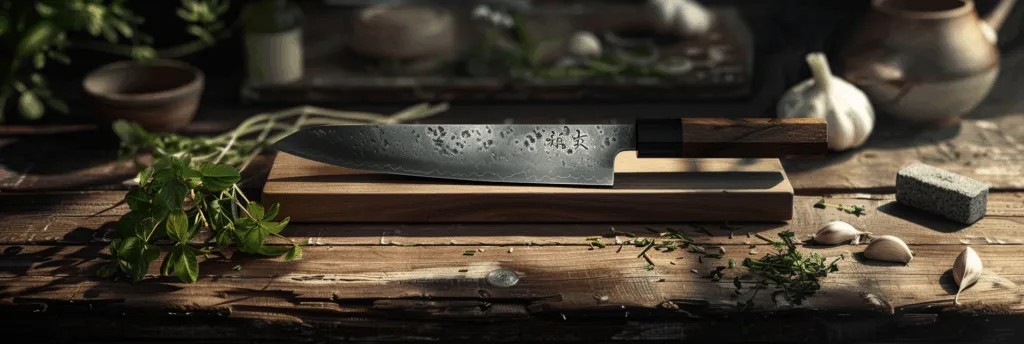
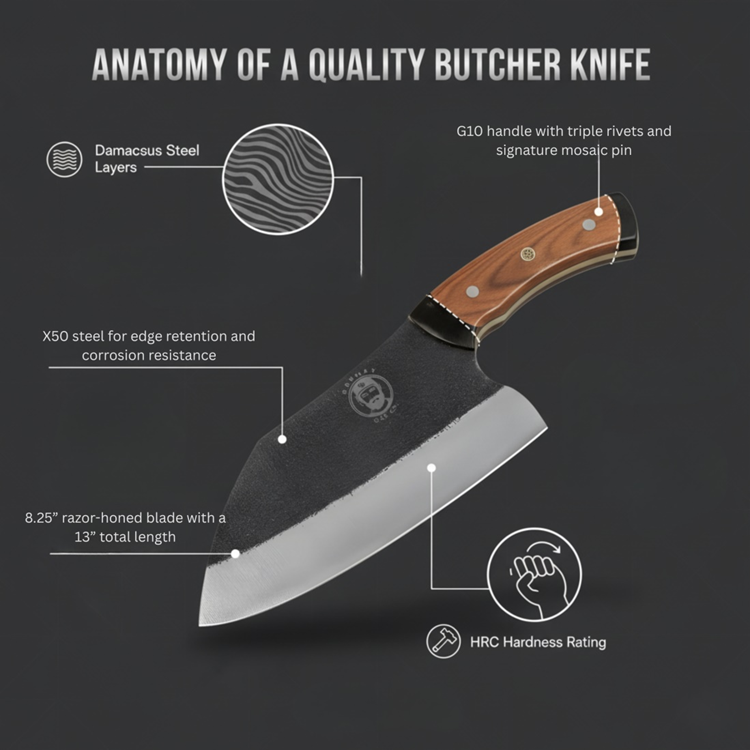
Pattern-welded steel can be great. “Damascus-look” can also be a decorative jacket over an average core. Full breakdown: Best Damascus Knife Sets vs Standard: Real or Hype?
Knife sets with 14 pieces
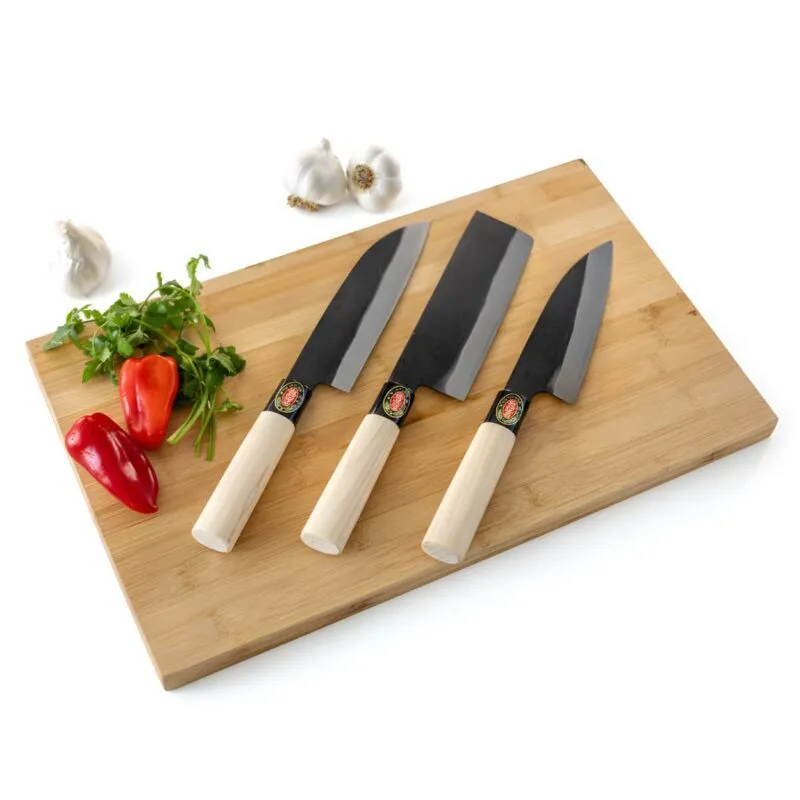
Most big sets exist to make you pay for knives you won’t use. A solid chef’s knife + a paring knife + (maybe) a bread knife beats a suitcase of random blades. If you’re shopping sets anyway: Best Japanese Knife Set for Home Cooks.
The real “2026 upgrade”: sharpening and storage
The biggest performance jump usually comes from keeping your knife sharp, not buying a fancier steel.
Browse: whetstones & sharpening | knife blocks & storage.
What to buy (simple plan, not a 30-knife list)
- One great chef’s knife you actually like using
- One small knife (paring/petty)
- Optional: bread knife
- Optional: boning/butcher knife
Browse what we carry: shop knives.
Best kitchen knives 2026: the 60-second buying checklist
If you want the “kitchen knife buying guide” version in one minute, here it is. No chanting. No steel poetry.
- Pick the shape: 8” chef’s knife for most people. Santoku if you prefer a shorter, flatter feel. Add a bread knife only if you actually cut crusty bread.
- Pick the vibe: stainless if you want low maintenance. Carbon if you’ll wipe it and dry it every time.
- Check the grind: thin behind the edge beats “premium steel” every Tuesday.
- Skip the mega set: you’ll use 3 knives and store 11.
- Budget for sharpening: a great knife + no plan becomes a dull knife with a nicer handle.
Most people don’t need “the best knife.” They need their first actually sharp knife. You’ll notice it the third time you use it—when you stop pushing and start slicing.
If you only remember five things
- Thin geometry beats fancy steel.
- Heat treat matters more than the steel label.
- Stainless for low drama. Carbon for people who wipe the blade.
- Sharpening is not optional. It’s the whole game.
- Safe storage protects the edge and your fingers.
What matters vs what marketing screams
The three knives most kitchens need (and the two most don’t)
If you’re building a 2026 kitchen setup from scratch, here’s the short list that works in real houses where people have jobs and dishes.
Knife #1: 8” chef’s knife (your daily driver)
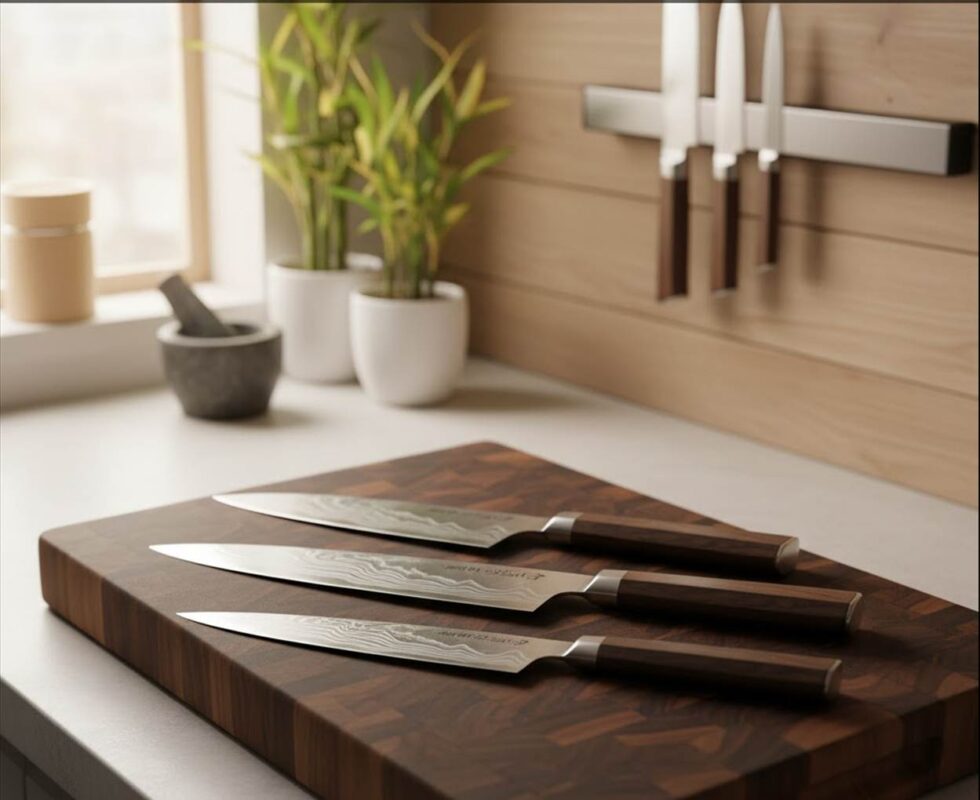
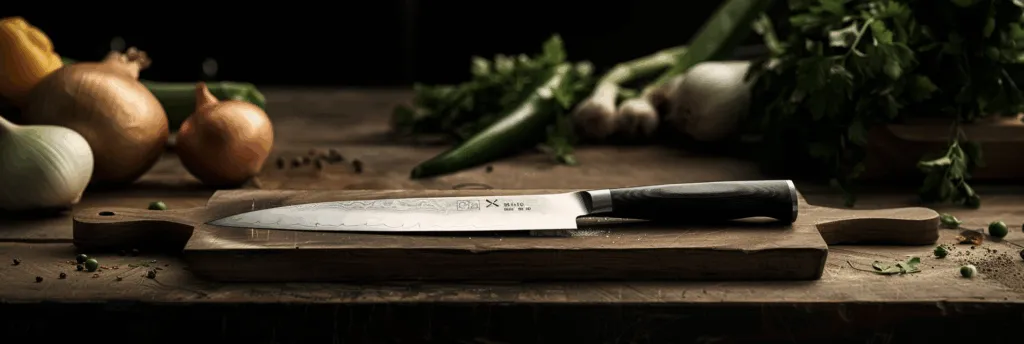
This is the one that does 80% of the work. If you buy one nice knife, make it this one — something like the Satake 69-layer Damascus chef knife hits the geometry and steel marks without drama.
- Best for: onions, carrots, chicken, herbs, general prep
- What to avoid: thick “axe” grinds that split food instead of cutting it
Browse what we stock: shop knives. Don’t overthink it—pick something you’ll reach for daily.
Knife #2: paring knife (small, fast, no drama)
Peeling, trimming, quick work. This is the knife you grab when pulling out the chef’s knife feels like overkill.
Knife #3 (optional but common): bread knife
If you cut crusty bread, tomatoes, or cakes, a bread knife is a quiet hero. If you don’t, it’s just a long saw you’ll move around in a drawer.
The two knives you probably don’t need
Tomato knife. If your knife can’t cut a tomato, your knife is dull. That’s the whole story.
Cheese knife set. Unless you regularly host cheese boards, fine. Otherwise: skip it.
How to test a knife in real life (no lab coat required)
Forget the internet tests that require a specific paper towel brand and a full moon. Here are the tests that matter in your kitchen:
- Onion test: does it slice cleanly, or does it crack and wedge?
- Tomato test: does it bite the skin and glide, or do you squash it like a caveman?
- Herb test: does it cut herbs or bruise them into green sadness?
Sharpening in 2026: the simplest plan that actually works
“Best kitchen knives 2026” is half marketing. The other half is maintenance. A sharp $60 knife beats a dull $260 knife every day.
- Weekly: quick touch-up (strop or light hone, depending on your knife)
- When cutting feels like work: sharpen properly
- When you chip/roll the edge: fix it, don’t just keep forcing it
If you want to do it yourself, a basic whetstone setup is enough — a dual-grit whetstone with a bamboo base and angle guide covers most home cooks start to finish. Browse: whetstones & sharpening.
Knife care mistakes that quietly ruin good knives
- Dishwasher: heat, detergent, banging around—pick two.
- Glass or stone cutting boards: great for Instagram, terrible for edges.
- Loose drawer storage: the edge gets dulled and you get cut. Everybody loses.
Storage doesn’t have to be fancy—just safe. Browse: knife blocks & storage.
Carbon vs stainless (the short version, because you have dinner to make)
Stainless: wipe it, move on. Great for busy people.
Carbon: wipe it, dry it, and you’ll be rewarded. Ignore it and it will teach you about rust.
If you want the longer, practical care version: Carbon Steel Knife Care.
Damascus in 2026 (pretty can be fine — just don’t buy pretty instead of sharp)
Damascus can mean different things depending on the knife. Sometimes it’s performance. Sometimes it’s a pattern. Either is fine, as long as the knife cuts well. Full breakdown: Damascus Knife Sets vs Standard: Real or Hype?
Common myths (that sell knives, not dinners)
- Myth: “This steel stays sharp forever.” Reality: edges wear. Physics doesn’t care about your Amazon listing.
- Myth: “Harder is always better.” Reality: harder can chip if you twist, scrape, or hit bone like you’re mad at it.
- Myth: “A huge set means you’re a serious cook.” Reality: serious cooks use a few knives well.
A simple buying guide by budget
I’m not here to tell you you need to spend $300. I’m here to tell you what to spend money on first.
- Budget tier: buy a decent stainless chef’s knife and spend the rest on sharpening. Sharp beats fancy.
- Mid tier: pick the knife that fits your hand, then add safe storage so it stays that way.
- Higher tier: now you can chase steels/finishes—because your fundamentals are handled.
Browse what we carry: our Japanese knives collection. Just don’t confuse “expensive” with “best.” The best knife is the one that’s sharp when you need it.
A quick note on knife “reviews”
In 2026, a lot of “reviews” are basically product pages with feelings. Real life is simpler: if a knife feels good in your hand, cuts cleanly without wedging, and you can keep it sharp, it’s a good knife. If it looks cool but makes prep slower, it’s a bad knife with great photos.
Knife shopping red flags (2026 edition)
One grown-up check before you buy: return policy and warranty. A brand that won’t stand behind a knife is telling you everything you need to know. Quietly. In small print.
- “Stays sharp forever.” No. Edges wear. If it were true, nobody would sell sharpeners.
- No info on geometry, grind, or who makes it. If all you get is steel buzzwords and a dramatic pattern, you’re buying vibes.
- Huge knife sets with filler blades. If the set includes a “tomato knife,” a “steak knife,” and a “utility knife” that all look identical—it’s clutter.
- Overly thick blades marketed as “heavy duty.” Heavy duty is great for crowbars. Kitchen knives are supposed to cut.
- “Damascus” used like a quality guarantee. Pretty can be fine. Pretty is not a performance spec.
- Zero mention of sharpening or care. A brand that never talks about maintenance is selling to people who don’t cook much. That might be you. Just be honest.
Buy for dinner. Not for the unboxing.
My boring recommendation (that works)
- Buy one chef’s knife you like.
- Get a basic sharpening plan (or pay someone who knows what they’re doing).
- Store it safely.
- Cook more. That’s the point.
FAQ
Is expensive steel worth it for a home cook?
Sometimes. But sharpness and geometry beat fancy steel every day of the week.
How many kitchen knives do I really need?
Two to three is a great life: chef’s knife + paring knife + (optional) bread knife. The rest should earn their keep.
What’s the best kitchen knife set in 2026?
The best “set” is usually one great chef’s knife and a plan to keep it sharp. If you want to explore sets anyway: Best Japanese Knife Set for Home Cooks.
How often should I sharpen my kitchen knife?
Touch up often, sharpen when cutting feels like work. If you’re crushing tomato skins, you waited too long.
What’s the best cutting board for knife edges?
Wood or quality plastic. Glass, stone, and ceramic boards are for people who hate their knives.
Should I buy a knife set in 2026?
Only if the set is basically “one great chef’s knife plus a couple useful extras.” If it comes with six mystery knives, you’re paying for clutter.
What’s the best steel for kitchen knives?
The best steel is the one you’ll maintain. Low maintenance: stainless. Performance and you’ll wipe the blade: carbon. Everything else is details.
FAQ
What size chef’s knife should most home cooks buy?
An 8-inch chef’s knife is the sweet spot for most people. Go to 7 inches if you have small hands or a small board, and up to 9 inches if you do big-batch prep.
Is a more expensive knife actually sharper?
No. Sharpness comes from geometry and a fresh edge, not price. A sharp $60 knife outcuts a dull $260 one every single day.
Why does my knife crush tomatoes instead of slicing them?
Because it’s dull. If a knife can’t bite through tomato skin cleanly, that’s your sharpening reminder — not a reason to buy a tomato knife.
Can I put my kitchen knife in the dishwasher?
Don’t. The heat, harsh detergent, and banging around dull the edge and can damage the handle. Hand wash and dry it, every time.
Does “Damascus” mean a knife is higher quality?
Not by itself. Damascus describes the layered pattern, not performance — quality depends on the core steel, heat treat, and grind underneath the pretty layers.